When your air conditioning stops feeling right, it is easy to assume the whole system has failed. In reality, most faults start small. They may begin inside the cabin with weak airflow, a blocked filter, or controls that are not reading temperature properly. They may also begin under the bonnet with leaks, worn seals, or a tired compressor. The symptom you notice first is not always the point where the problem started.
That matters in Darwin, where air conditioning is not just a comfort feature. Heat and humidity make even minor faults more obvious and place extra pressure on every part of the system. If you rely on
car air conditioning in Darwin every day, it helps to understand where issues usually begin and why diagnosis matters.
Where Car A/C Problems Usually Begin: Cabin, Bonnet or Both?
Most A/C faults do not belong neatly to one area. A blocked cabin filter can make it feel like the system is weak even when the refrigerant side is functioning. Low refrigerant can look like a vent issue because the air never feels cold enough. A sensor fault can make the system behave unpredictably even when the fan and compressor still run.
The cabin side controls airflow, temperature feel, and comfort from the driver’s seat. The engine bay side handles refrigerant movement, pressure, and heat exchange. If one part starts struggling, the symptom may show up somewhere else. That is why Darwin car air conditioning problems often need a full-system assessment rather than a quick assumption.
Vents, Fans & Cabin Filters: The Inside Issues Drivers Notice First
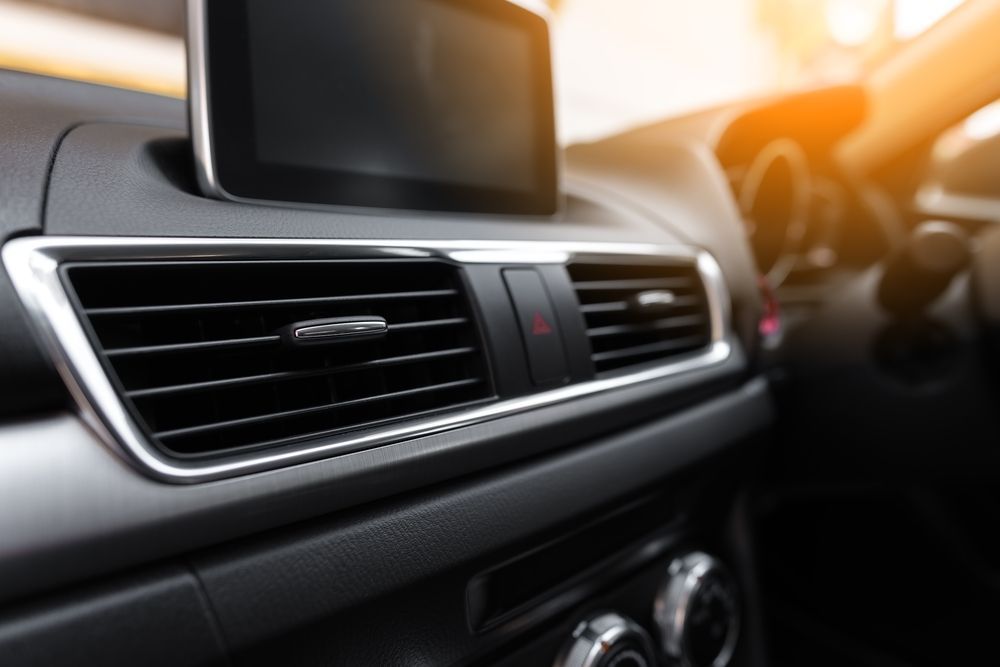
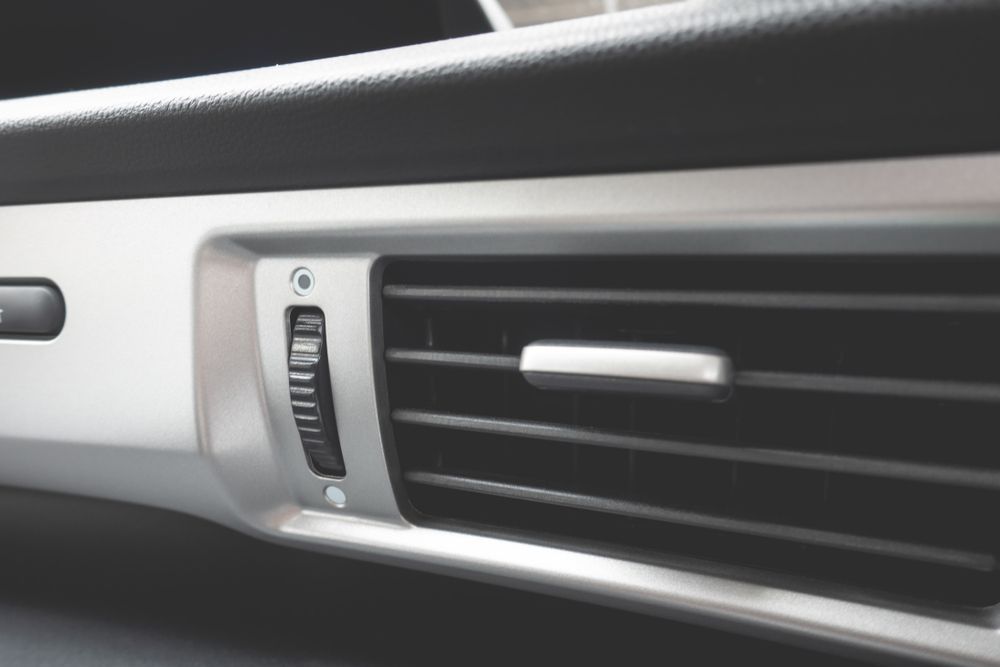
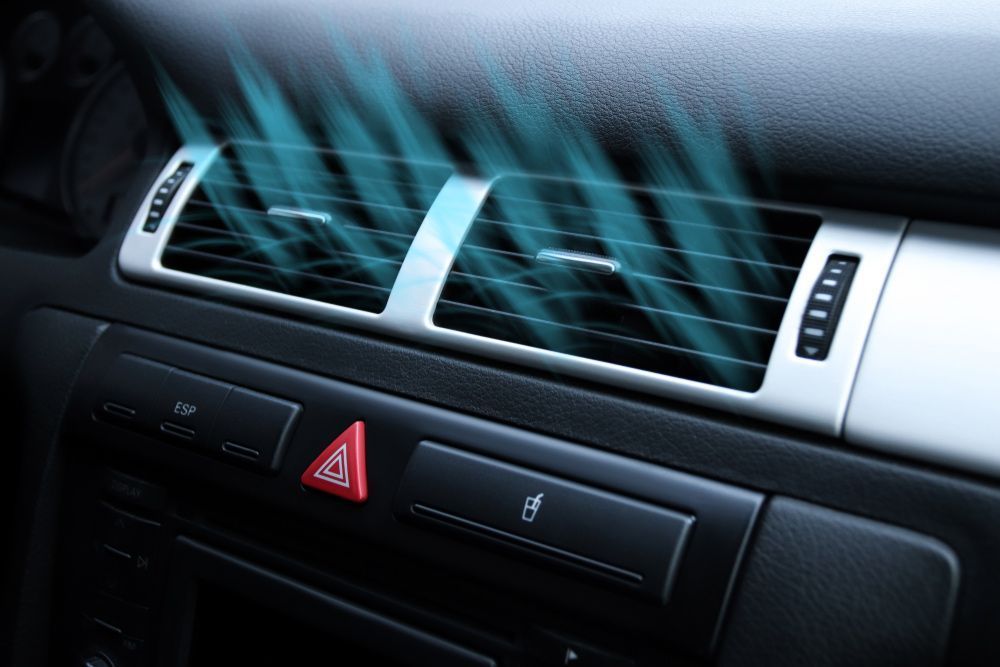
The faults drivers notice first are often inside the cabin. Weak airflow, stale smells, noisy fans, or uneven air from different vents are all common warning signs. These problems are not always the biggest repairs, but they are often the first clue that the system is under strain.
Common inside-cabin causes include:
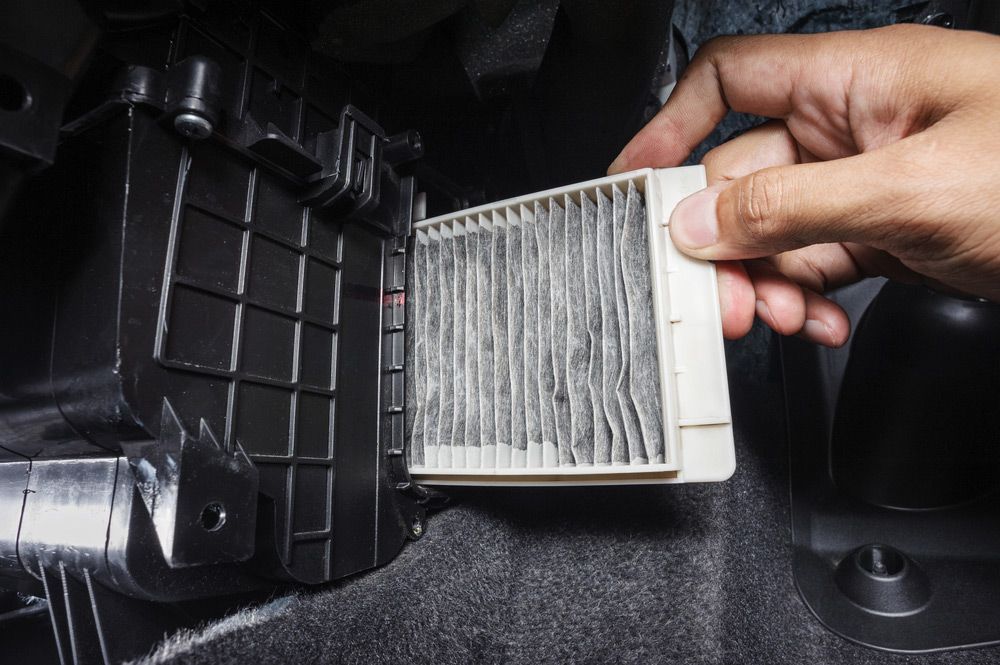
- a blocked cabin filter restricting airflow
- a worn blower fan losing speed
- dust or debris affecting vents and ducts
- directional flaps not moving properly
In Darwin conditions, filters and fans work hard. Dust, moisture, and constant use can all reduce performance faster than many drivers expect. If the air volume has dropped but the system still sounds like it is working, the problem may be starting inside the cabin rather than under the bonnet.
Controls & Sensors: When the System Isn’t Reading the Cabin Properly
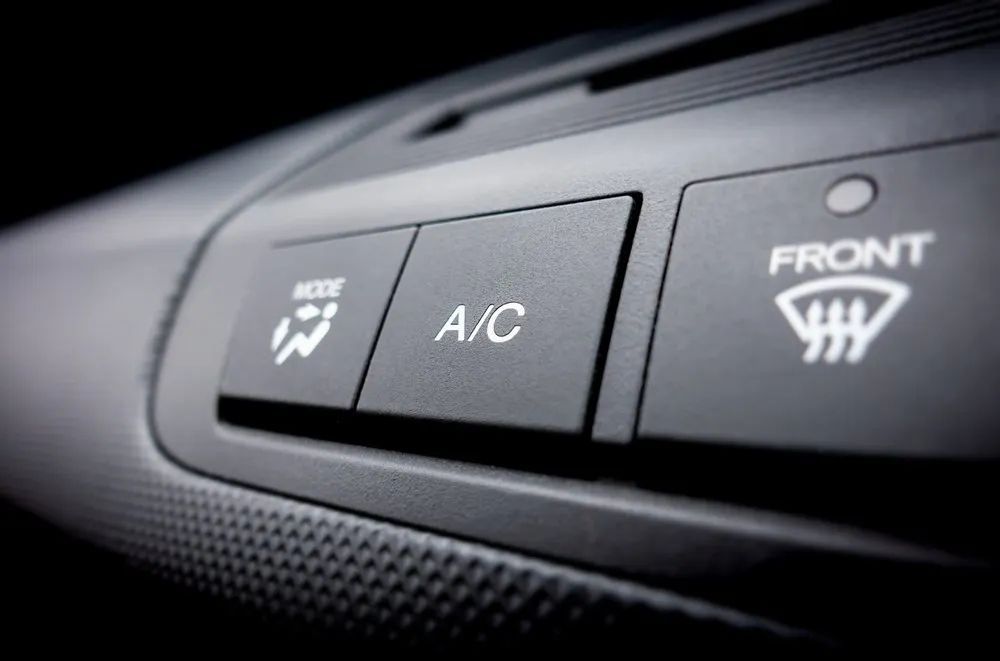
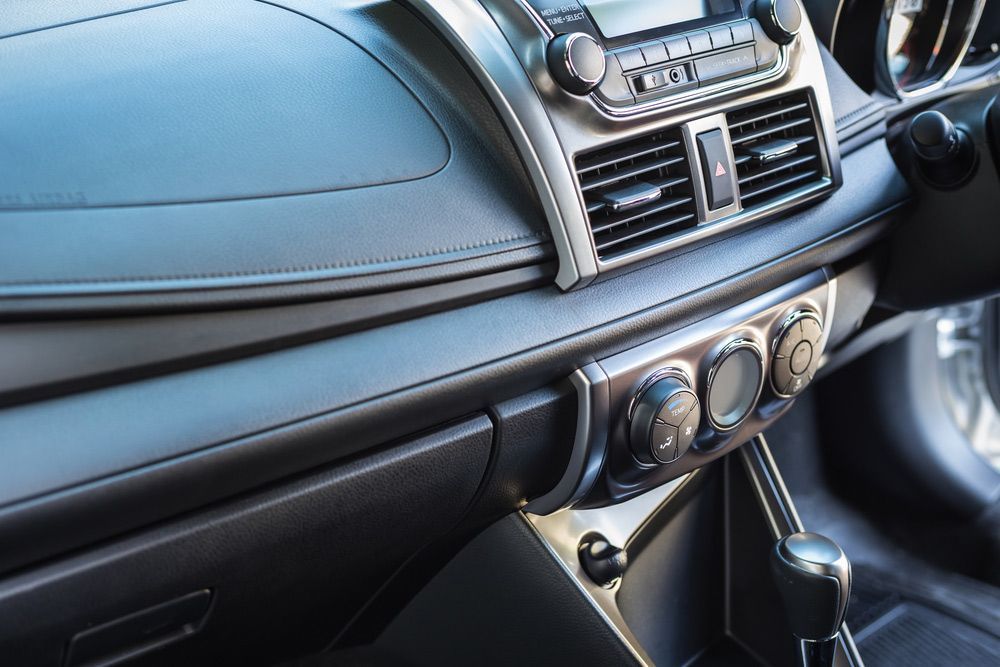
Some faults are less obvious. The airflow may feel normal, but the air is not consistently cold, the compressor seems to cycle oddly, or the cabin never reaches the setting you choose. That can point to a control or sensor problem rather than a simple gas issue.
Modern systems rely on sensor readings to decide when to cool, how hard to run, and when to cycle. If a sensor is reading incorrectly, the system can make the wrong decision even if the main hardware still works. This is one reason a car air conditioning service in Darwin should not be treated as just a top-up. If the problem is electrical or sensor-related, adding refrigerant will not fix the cause.
Under the Bonnet: Compressors, Condensers & Leaks
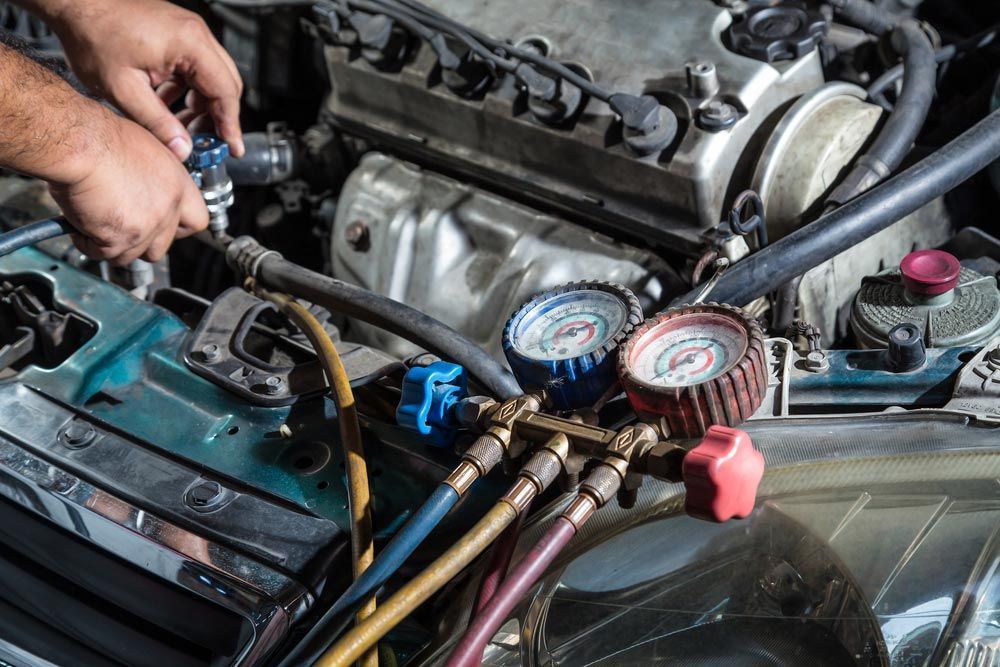
A large share of more serious A/C faults begin under the bonnet. This is where the system handles pressure, circulation, and heat removal, and where components face high temperatures, vibration, and road debris. Compressors, condensers, hoses, seals, and fittings can all become problem points over time.
Leaks are especially important because they often begin gradually. The system may still cool, just less effectively than before. Drivers then get used to weaker performance until a very hot Darwin day makes the drop impossible to ignore. Compressors can also wear over time, which may reduce efficiency before complete failure happens.
Why Weak Airflow & Poor Cooling Are Not the Same Problem
Drivers often describe every A/C issue as “it’s not cold enough”, but weak airflow and poor cooling are different faults. Weak airflow means not enough air is coming through the vents. Poor cooling means the airflow is normal, but the temperature is wrong. The solution for one may have nothing to do with the other.
Weak airflow often points toward cabin-side issues such as filters, fans, or vent restrictions. Poor cooling can point toward refrigerant loss, compressor performance, condenser problems, or system controls. Some vehicles have both at once, which is why the fault can feel confusing.
A proper diagnosis separates airflow problems from cooling problems early. That matters because many people assume every warm vent means low gas, when the real issue may be elsewhere.
How Darwin Heat & Humidity Put Extra Stress on A/C Components
Darwin’s climate is hard on automotive air conditioning. High temperatures mean drivers rely on cooling for long periods, often most of the year. Humidity adds another layer because the system is not only cooling the cabin, it is also handling moisture in the air. That extra workload can make borderline components show weakness sooner.
Heat also exposes faults faster. A system that feels “acceptable” on a mild day can feel ineffective in traffic after the car has been sitting in the sun. Tired compressors, restricted condensers, and weak airflow are all more noticeable when demand is high. That is one reason
car air conditioning in Darwin often feels fine until it suddenly does not.
Early Warning Signs Your Car’s Air Con Needs Attention
Most systems give some warning before they fail badly. Catching those signs early may help prevent bigger repairs and reduce the chance of being stuck without cooling during the hottest months.
Watch for signs like:
- airflow getting weaker than usual
- cooling taking longer to build up
- temperature changing unpredictably
- unusual smells when the system starts
- new noises from the fan or compressor area
- the system cutting in and out more often than usual
If you notice one or two of these patterns, it is usually worth booking a car air conditioning service in Darwin before the issue becomes more severe.
What an A/C Diagnosis Usually Involves
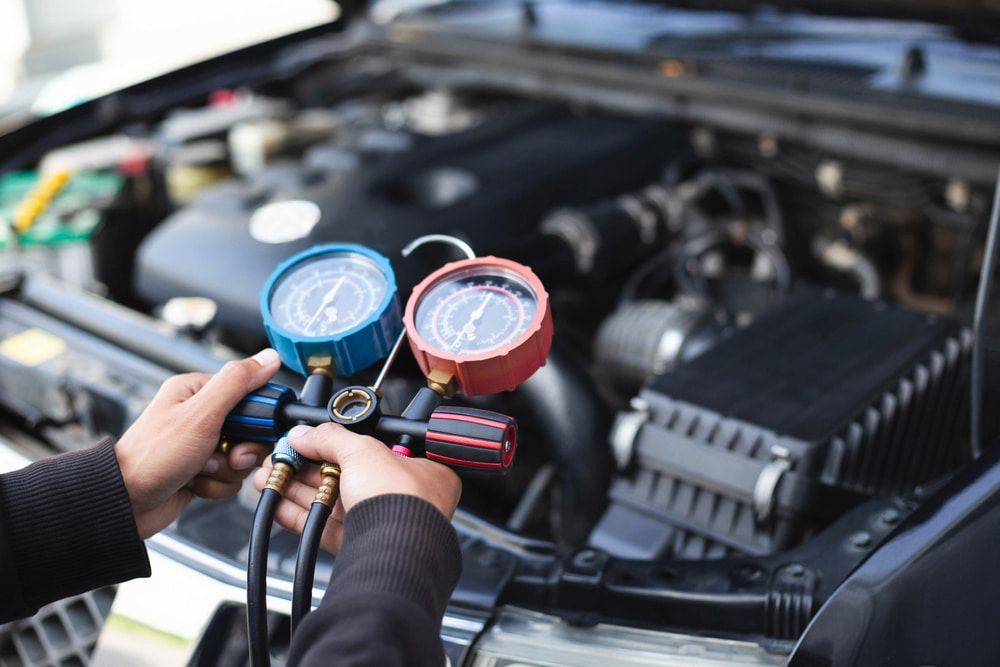
A proper diagnosis should look at both the cabin side and the under-bonnet side of the system. It is not only about refrigerant level. The technician will usually assess airflow, vent temperature, fan operation, pressure behaviour, visible leaks, and how the controls respond.
Depending on symptoms, this may involve checking the cabin filter and blower performance, testing pressures, looking for leaks around fittings or the condenser, and assessing sensor behaviour. The value of a proper Darwin car air conditioning check is that it identifies where the problem actually begins, rather than guessing based on one symptom.
Book a Car A/C Check in Darwin
We at Cool Cars NT help drivers get to the source of A/C problems, whether the issue starts inside the cabin, under the bonnet, or across both parts of the system. If you need car air conditioning in Darwin checked, or you are due for a
car air conditioning service in Darwin,
contact us to book in and keep your cooling system working the way it should.