The Most Common Reasons For Car A/C Not Blowing Cold Air
There are few things more frustrating than turning on the car air conditioning and feeling warm, weak or humid air come through the vents. In hot driving conditions, a working A/C system is not just about comfort. It helps reduce fatigue, keeps passengers settled and supports clear visibility when windows fog. For car air conditioning Darwin drivers can rely on, understanding why an A/C system stops blowing cold air can make it easier to act before the problem becomes more expensive.
A vehicle’s air conditioning system depends on refrigerant, pressure, airflow, electrical controls, seals, fans and several moving parts working together. When one part fails or weakens, the whole system can lose cooling performance. Some causes are simple, such as a blocked cabin filter. Others need professional testing, especially when refrigerant, leaks or electrical faults are involved.

Low Refrigerant is a Common Cooling Problem
Refrigerant is essential because it absorbs heat from inside the cabin and helps the system produce cold air. If the refrigerant level drops, the A/C may still run, but it will not cool properly. Drivers may notice that the air feels only slightly cool, takes too long to chill the cabin or becomes warm again while idling.
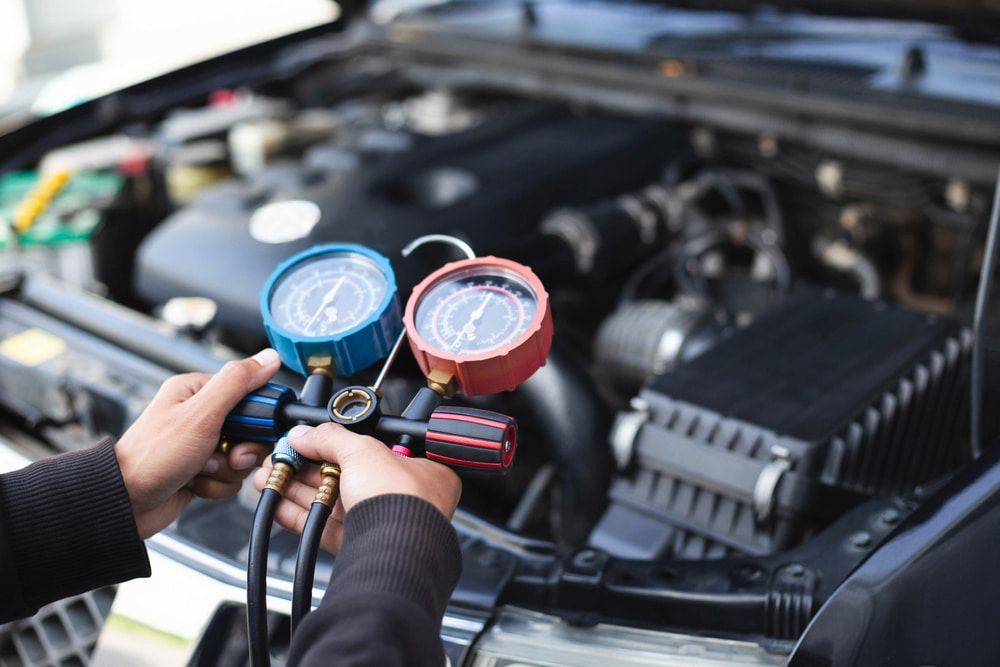
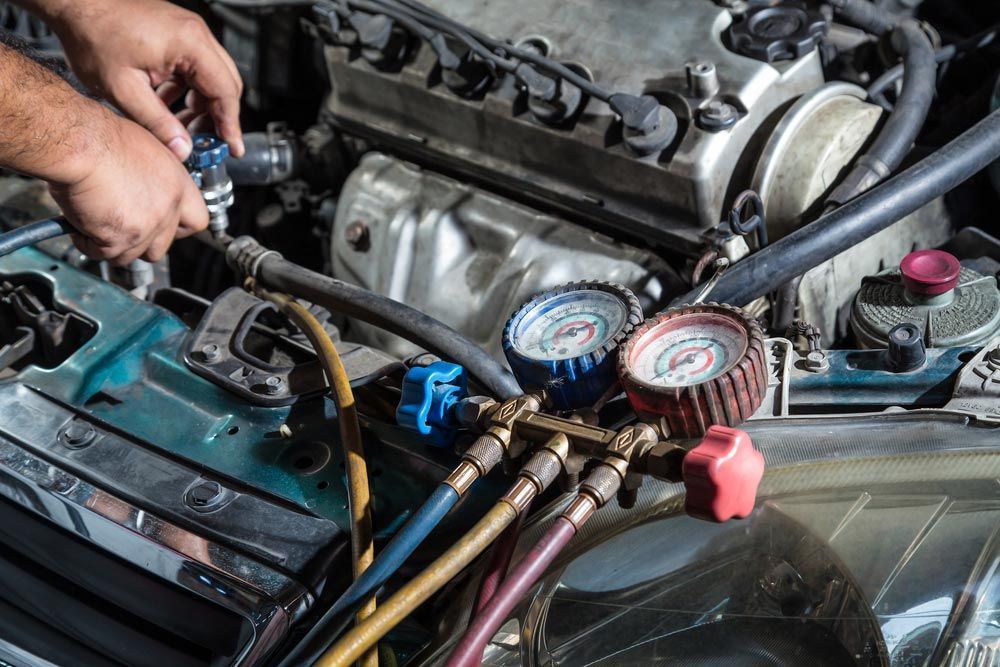
A car air conditioning service Darwin technicians can perform will locate the problem. Low refrigerant usually means there is a leak somewhere in the system. Simply topping it up without finding the leak may only provide short-term relief. A professional technician can pressure test the system, locate leaks and recharge it to the correct level.
Low refrigerant can show up in several ways:
- Warm air from the vents
- Weak cooling at idle
- A/C cycling on and off
- Hissing near components
- Cooling that fades quickly
Refrigerant Leaks Need Proper Diagnosis
A car A/C system is sealed, so refrigerant should not disappear during normal operation. Leaks can occur in hoses, seals, fittings, the condenser, evaporator or compressor. Some leaks are easy to see because they leave oily residue around a connection. Others are hidden and require dye testing or specialist leak detection equipment.
Ignoring a leak can reduce cooling performance and place strain on other parts of the system. If refrigerant continues to escape, the compressor may not receive enough lubrication and could become damaged. This is why repeated re-gassing without inspection is rarely the best answer. The cause needs to be found and repaired.
Leak checks may focus on these areas:
- Hose connections
- O-rings and seals
- Condenser damage
- Compressor fittings
- Evaporator leaks
A Faulty Compressor Can Stop Cooling
The compressor is one of the most important parts of the air conditioning system. It circulates refrigerant through the system and helps create the pressure needed for cooling. If the compressor fails, the A/C may blow warm air even when the fan is working. Some drivers may hear clicking, rattling or grinding sounds when the A/C is switched on.
Compressor problems can be caused by wear, lack of lubrication, electrical faults, clutch failure or running the system with low refrigerant. Because the compressor is a major component, it should be assessed carefully before replacement is recommended. A professional inspection can confirm whether the fault is with the compressor itself or with a related control, sensor or pressure issue.
Compressor faults may create these symptoms:
- Warm air only
- Strange A/C noises
- Compressor clutch not engaging
- Intermittent cooling
- Burning smells
Blocked Cabin Filters Restrict Airflow
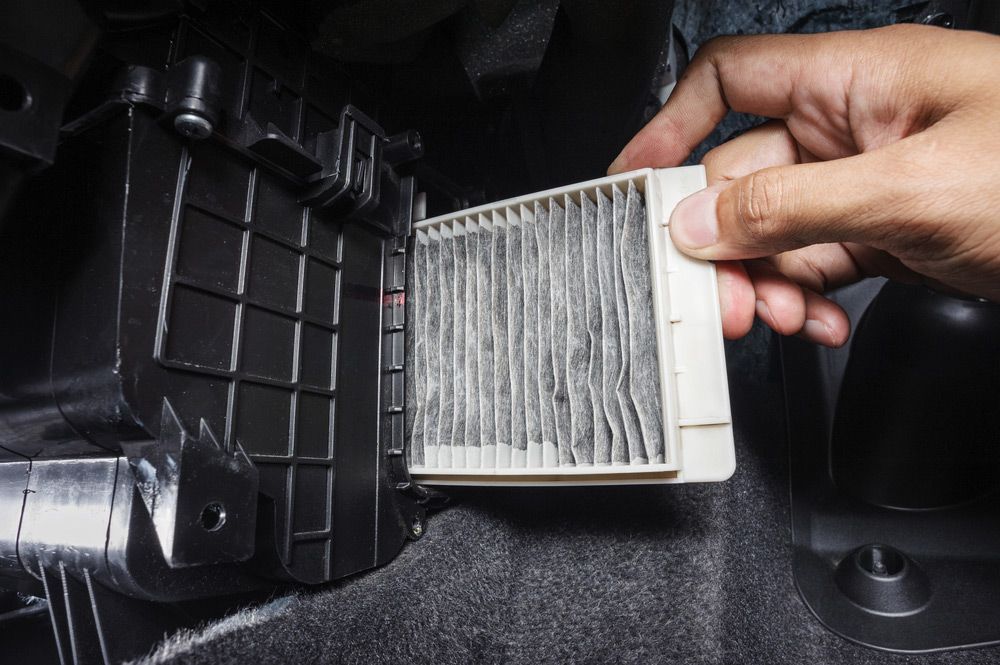
The cabin filter helps trap dust, pollen and debris before air enters the cabin. Over time, it can become clogged and reduce airflow through the vents. When this happens, the A/C may still be producing cold air, but not enough of it reaches the passengers. The cabin may take longer to cool and the fan may sound louder than usual.
A blocked filter can also contribute to stale smells inside the car, especially in humid conditions. Replacing the cabin filter is a simple but often overlooked part of vehicle maintenance. It can improve airflow, support cleaner cabin air and help the A/C system work more efficiently.
A dirty cabin filter may cause:
- Weak vent airflow
- Musty cabin smells
- Noisy fan operation
- Slow cabin cooling
- Poor demisting
Condenser Issues Reduce Heat Release
The condenser sits near the front of the vehicle and helps release heat from the refrigerant. Because of its position, it is exposed to road debris, dust, insects and minor impact damage. If the condenser becomes blocked or damaged, the system may struggle to remove heat properly, which affects cooling inside the cabin.
A condenser fault may be more noticeable in slow traffic or when the vehicle is stationary. Airflow across the condenser is important, so problems with cooling fans can create similar symptoms. Cleaning, inspection and pressure testing can help determine whether the condenser is blocked, leaking or damaged beyond repair.
Condenser problems can involve:
- Bent fins
- Road debris build-up
- Refrigerant leaks
- Poor fan operation
- Weak cooling in traffic
Electrical Faults Can Interrupt the System
Modern car A/C systems rely on electrical components to manage temperature, pressure, fan speed and compressor operation. A blown fuse, faulty relay, damaged wiring, failed sensor or control module issue can stop the system from working correctly. In some cases, the A/C may work one day and fail the next without any obvious mechanical warning.
Electrical faults can be difficult to diagnose without the right tools because several components may share similar symptoms. A technician can test the circuit, check fault codes where applicable and confirm whether the compressor, fan or controls are receiving the correct signal. This avoids replacing parts unnecessarily.
Electrical A/C faults may appear as:
- No compressor engagement
- Fan not working
- Intermittent cooling
- Warning lights
- Controls not responding
Evaporator Problems Can Affect Cabin Cooling
The evaporator is located inside the cabin area, usually behind the dashboard. It helps cool the air before it comes through the vents. If the evaporator becomes dirty, blocked, frozen or develops a leak, the system may lose cooling performance. Evaporator issues can also cause musty smells or moisture-related problems.
Because the evaporator is not easy to access, symptoms are often the first clue. That’s why problematic car air conditioning in Darwin needs specialist attention.
A technician may inspect drain performance, airflow, refrigerant pressure and temperature readings to assess what is happening. In humid conditions, blocked evaporator drains can also lead to water inside the vehicle, which should be checked promptly.
Evaporator-related issues may include:
- Musty odours
- Water in the footwell
- Reduced cooling
- Frosting or freezing
- Poor airflow
Fans and Blower Motors Affect Cold Air Delivery
Even when the A/C system is cooling correctly, the cabin will not feel comfortable if the fan or blower motor is not moving air properly. A weak blower motor, faulty resistor, damaged fan speed control or blocked ducting can all reduce airflow. The driver may feel cold air close to the vent, but not enough volume to cool the whole cabin.
Fan issues can develop gradually. The blower may work only on certain speeds, make squealing noises or stop completely. Because airflow is essential for comfort and demisting, these symptoms should not be ignored. A service can identify whether the issue is mechanical, electrical or caused by restriction in the system.
Air delivery faults may show through:
- Fan speeds not working
- Squealing or rattling noises
- Weak vent output
- Airflow from wrong vents
- No air movement
When a Professional Service is the Smarter Choice
Some A/C problems can be checked by the driver, such as making sure vents are open, the cabin filter is not overdue and the temperature controls are set correctly. However, refrigerant, pressure testing, leak detection and electrical diagnosis require proper equipment. Guessing can lead to repeated re-gassing, unnecessary part replacement or damage to major components.
A professional car air conditioning service in Darwin can assess the full system rather than only the symptom. This may include checking refrigerant levels, leak testing, temperature performance, compressor operation, condenser condition, cabin filter flow, electrical controls and fan performance. A proper diagnosis helps restore cooling safely and reduce the risk of the same fault returning.
Professional servicing is recommended when you notice:
- Warm air from vents
- Cooling that comes and goes
- Bad A/C smells
- Strange noises
- Repeated refrigerant loss
Keep Your Car Cool When It Matters Most
We at Cool Cars NT help car owners in Darwin and surrounding areas with practical vehicle air conditioning inspections, servicing and repairs suited to hot, humid driving conditions. If your A/C is blowing warm air, cooling slowly, making unusual noises or failing when you need it most, contact us to book a service and get the system checked properly.