Signs Your Car A/C Compressor Is Failing
Unusual noises, cooling that comes and goes and oily residue around the compressor can all signal an A/C problem. At Cool Cars NT, we provide car air conditioning Darwin drivers can book for diagnostics and repairs, helping identify whether the compressor or another component needs attention.
A struggling system does not automatically mean you need a replacement compressor. Electrical faults, refrigerant leaks and restricted condenser airflow can produce similar symptoms. Recognising the warning signs helps you describe the problem and arrange an inspection before further damage develops.

What Does Your Car's A/C Compressor Actually Do?
Your car's A/C compressor circulates refrigerant and raises its pressure, allowing the system to move heat out of the cabin. It works alongside the condenser, evaporator, expansion device and electrical controls to deliver cool air.
Many conventional vehicles use a belt-driven compressor with an electromagnetic clutch. Other systems use different compressor controls, while electric and hybrid vehicles may have electrically driven compressors. This means the checks that suit one vehicle may not suit another.
A failing compressor is only one of the
common reasons your car A/C isn't blowing cold air. We assess the system as a whole rather than assuming warm air means the compressor has failed.
Strange Noises When the A/C Is Switched On
Grinding, rattling or squealing when you switch on the A/C deserves attention, particularly if the noise is new or getting louder. Worn compressor components can create noise, but pulley bearings, drive belts, mounting brackets and nearby components can also be responsible.
A single engagement click can be normal on a clutch-equipped system. Persistent grinding or repeated loud rattling is different and needs investigation. DENSO’s troubleshooting guidance distinguishes internal compressor noise from clutch bearing, mounting and pipe vibration faults.
If you notice your car aircon making noise, record when it happens. Does it start immediately, appear only after a long drive or change with engine speed? These details help us narrow down the cause. Switch the A/C off if it produces harsh mechanical noise and arrange an assessment.
When the Compressor Clutch Won't Engage
An A/C compressor clutch not engaging can indicate an electrical fault, a clutch problem or a protective shutdown. It does not prove that the compressor itself has failed.
On a clutch-equipped system, the pulley may turn with the engine while the centre clutch plate remains disengaged. Possible causes include a failed clutch coil, damaged wiring or a control issue. Refrigerant pressure conditions can also prevent the system from allowing compressor operation.
Our mobile auto electrician service can help investigate electrical faults affecting A/C operation. Proper testing checks the power supply, control signal and relevant components before deciding what needs replacement.
Avoid bypassing switches or applying power directly to the clutch yourself. You could override a protective function or damage components. Keep hands and tools away from belts and fans, including when checking whether anything appears to be turning.
Cooling That Comes and Goes
Intermittent cooling can occur when compressor operation changes unexpectedly, but it can also result from airflow, refrigerant or control faults. A system that cools on the highway and blows warmer air in traffic needs a broader inspection.
For example, imagine your 4WD cools well during the morning commute but struggles while idling after lunch. A condenser fan or airflow problem could contribute to that pattern. Replacing the compressor without testing those conditions could leave the original fault unresolved.
Useful details to note before your appointment include:
- Whether cooling changes at idle or while driving.
- How long the system runs before the air becomes warm.
- Whether vent airflow weakens as cooling fades.
- Whether switching the A/C off temporarily changes the symptoms.
These observations support A/C diagnostics by helping us reproduce the fault. Compressor troubleshooting guidance also identifies refrigerant charge, condenser cooling and expansion valve faults as possible causes of poor performance.
Leaks and Residue Around the Compressor
Oily residue around the compressor body, shaft seal or hose connections can suggest a refrigerant and oil leak. However, nearby engine oil or old service residue can look similar, so appearance alone cannot confirm the source.
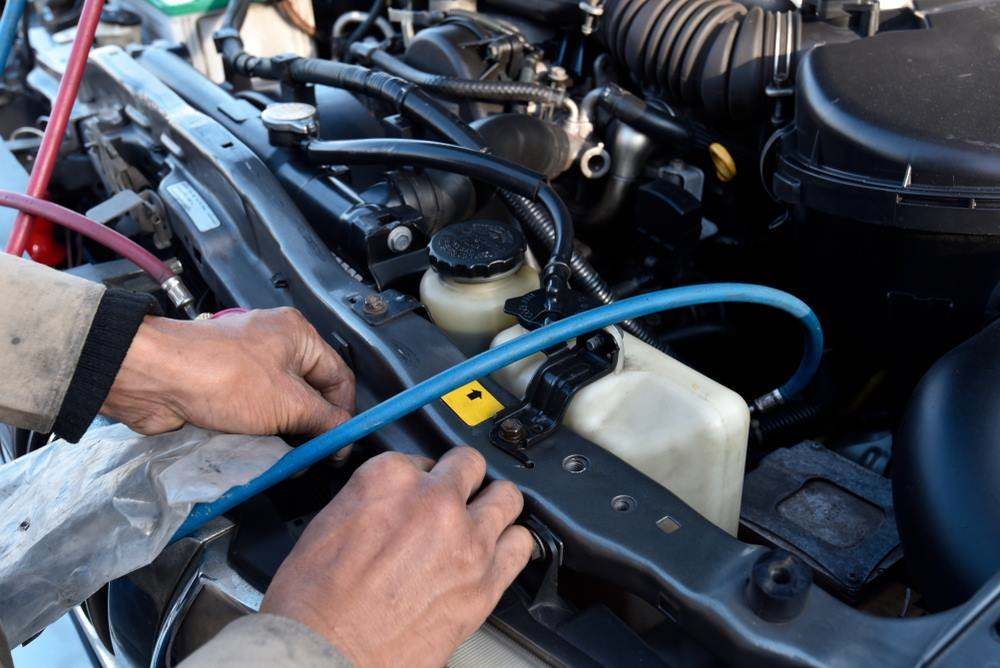
Refrigerant escapes as a gas under normal atmospheric conditions, which means a leak may not leave an obvious puddle. Oil carried through the system can leave a visible trace, while suitable UV dye can help a technician locate the leak.
At Cool Cars NT, our services include leak detection and pressure testing. We also offer UV dye to assist with identifying leaks during future inspections.
Clear water dripping beneath the vehicle after A/C use is usually condensation draining from the evaporator. It differs from oily residue near a component. Tell us where you noticed the fluid rather than assuming every drip indicates compressor failure..
Why Darwin Conditions Are Hard on Compressors
Darwin’s heat increases the amount of heat your A/C system needs to remove from the cabin. Humid conditions add to that cooling demand, making small performance problems more noticeable during everyday driving.
Local driving conditions can introduce other challenges. Dust, insects and debris can restrict airflow through the condenser, while coastal exposure can contribute to corrosion. For 4WD owners, mud and dirt around the front cooling components deserve attention after trips.
Restricted condenser airflow can increase operating pressure and place additional strain on the system. DENSO specifically identifies dirt accumulating between the condenser and radiator as a factor that can shorten compressor and hose life.
For fleet operators, recording driver reports early can help organise inspections around vehicle availability. A complaint that cooling fades during deliveries is useful diagnostic information, even if the system works normally when the vehicle first arrives.
Repair, Rebuild or Replace: What Happens After Diagnosis
The appropriate repair depends on the confirmed fault, compressor design and condition of the rest of the system. A wiring fault requires a different solution from internal mechanical damage.
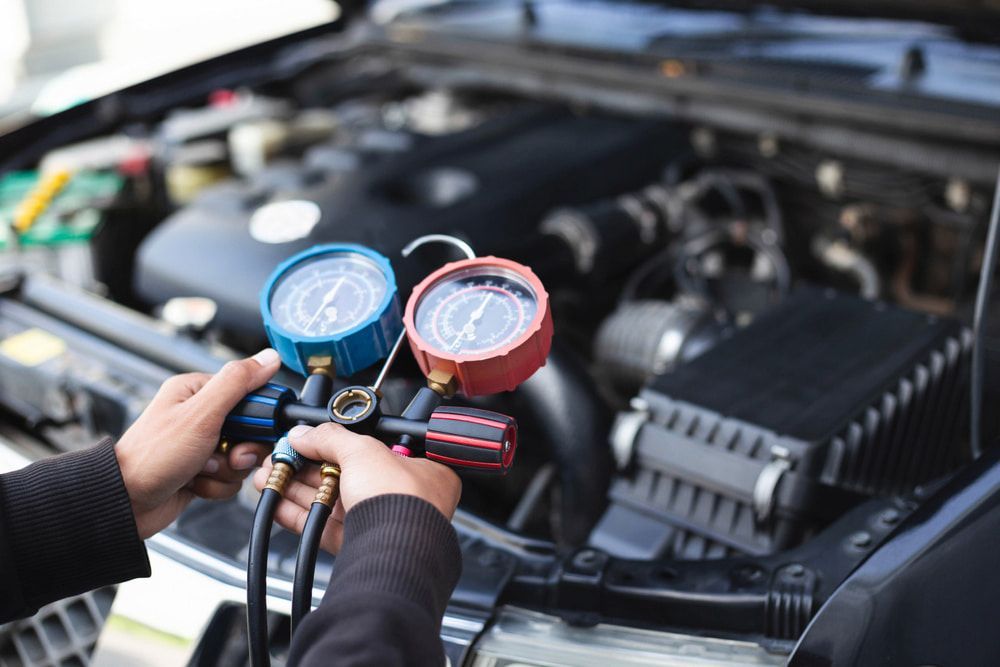
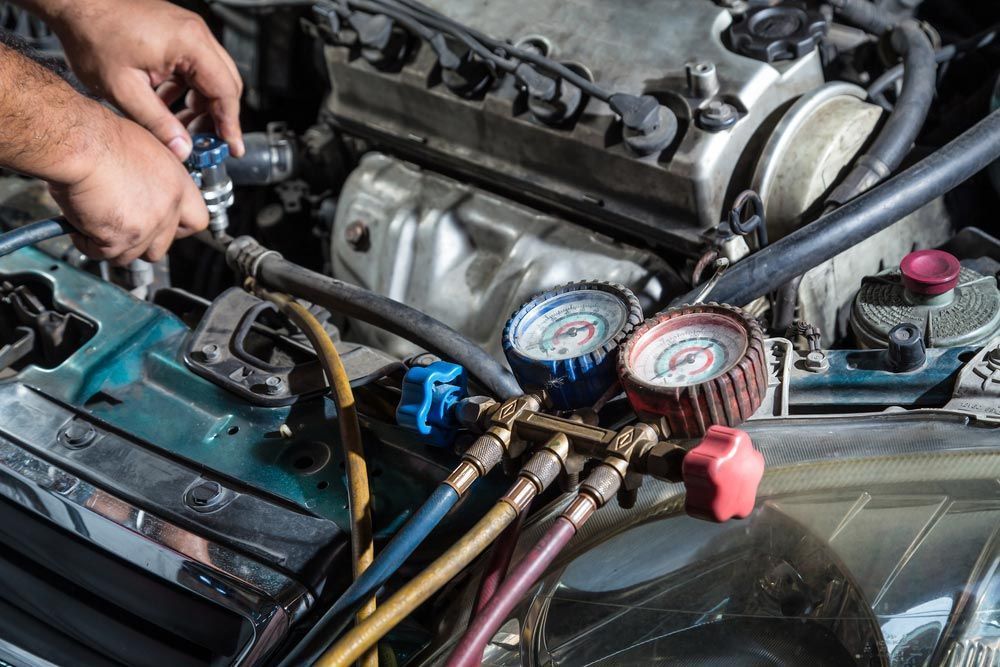
We begin with the reported symptoms and system checks. Depending on the vehicle, diagnosis may involve inspecting the drive arrangement, checking electrical operation, measuring pressures and vent temperature or testing for leaks.
The findings guide the next step:
- Repair: A separate electrical, connection or serviceable component fault may be repairable without replacing the compressor.
- Rebuild: We offer complete A/C system rebuilds. Suitability depends on the vehicle and the condition of its components.
- Replace: Confirmed internal compressor damage may require replacement and checks for contamination elsewhere in the system.
Ask what the proposed work includes and why each component needs attention. The aim is to address the cause of failure as well as restore cooling. A regas alone will not repair a mechanical fault or seal an ongoing leak.
Why Choose Cool Cars NT for Car Air Conditioning in Darwin?
At Cool Cars NT, Aaron brings more than 30 years’ experience in auto electrical and automotive air conditioning work. We are ARCtick licensed and MTA certified, and our A/C repairs come backed by a warranty.
Our services include system diagnostics, pressure testing, leak detection, component inspections and complete A/C system rebuilds. We work across passenger vehicles, 4WDs and heavy vehicles, with mobile services available throughout Darwin and surrounding areas. We also provide car air conditioning Palmerston motorists can book for cooling problems.
Noise, leaks and inconsistent cooling are reasons to investigate, rather than proof that you need a new compressor. If you need car air con repairs Darwin drivers can arrange locally, contact Cool Cars NT to
book an assessment and discuss the next steps.